Celtic Nations
The Ancient Heartlands of Ancestral Memory
The Celtic Nations are not a single place, but a family of lands bound together by language, tradition, and a deep relationship with landscape and memory. Stretching along the western edge of Europe, these regions preserved their cultural identity through centuries of change, carrying forward stories, symbols, and ways of life that continue to resonate with descendants around the world.
This page serves as a gateway to the heartlands of Scotland, Ireland, Wales, Cornwall, the Isle of Man, and Brittany. Each is distinct, yet all share a common thread of endurance, storytelling, and reverence for place.
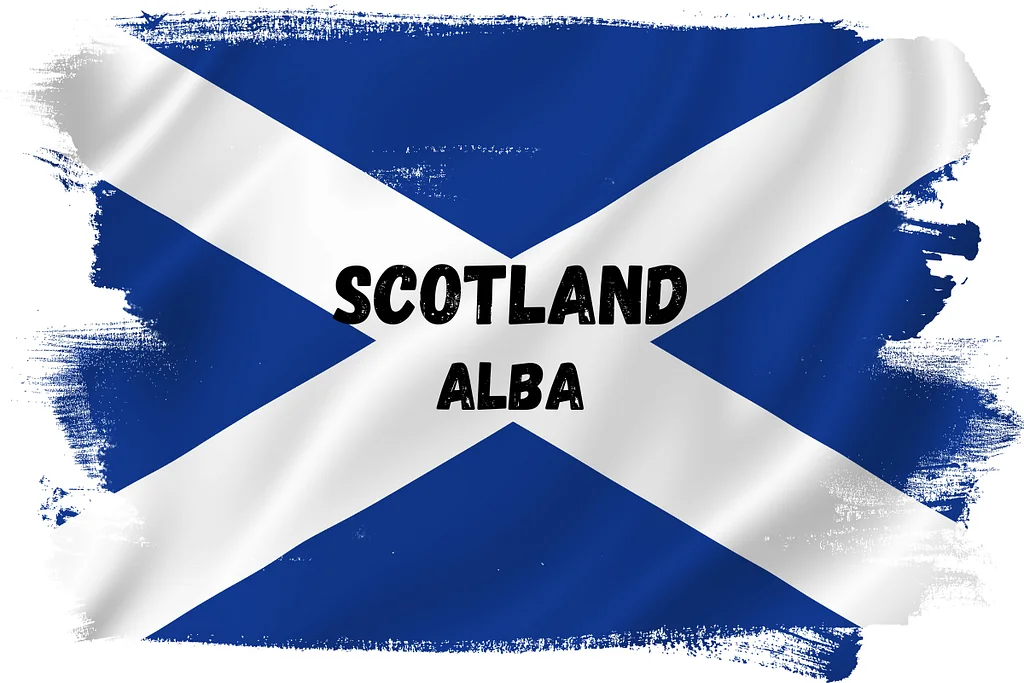
Scotland
Scotland’s heritage is written across its glens, lochs, and high passes. Clan histories, medieval castles, and ancient burial grounds anchor family stories to specific landscapes. Gaelic language and Highland traditions continue to shape Scottish identity, especially in the western Highlands and islands. For many descendants, Scotland represents resilience, kinship, and the pull of ancestral land held against great odds.
Ancestral touchstones: Highland passes, clan lands, island cemeteries, standing stones.
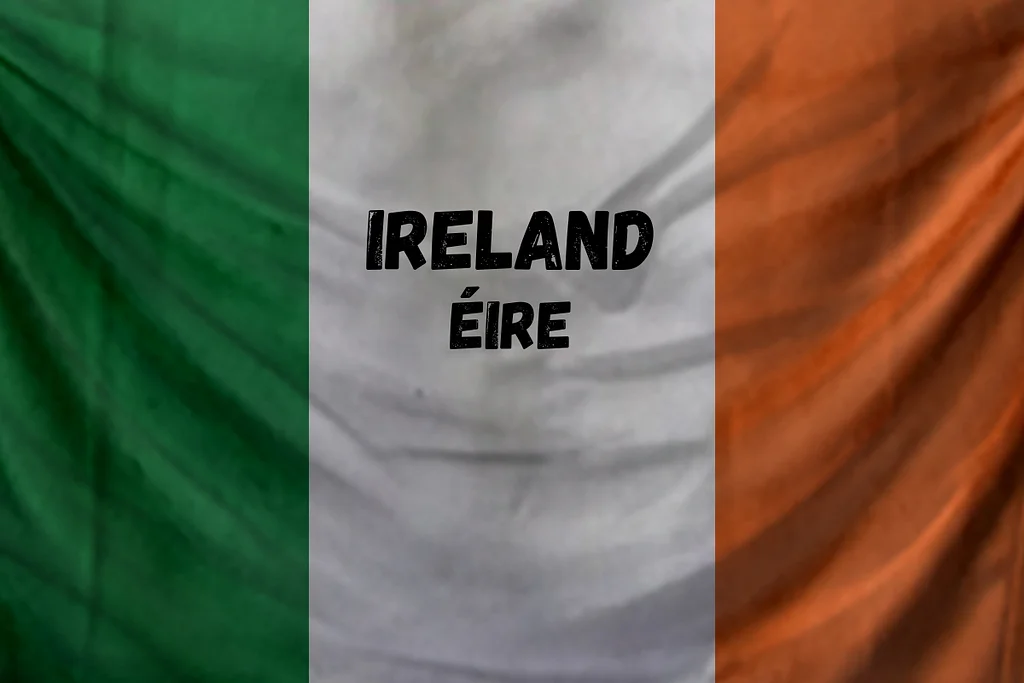
Ireland
Ireland’s cultural memory is deeply rooted in place, from ringforts and holy wells to parish boundaries and townlands. The Irish language, mythic cycles, and early Christian sites form a layered history that blends the spiritual with the everyday. Irish ancestry often leads researchers to the land itself, where surnames, farms, and burial grounds remain closely tied.
Ancestral touchstones: Stone circles, monastic ruins, townlands, famine-era memorials.
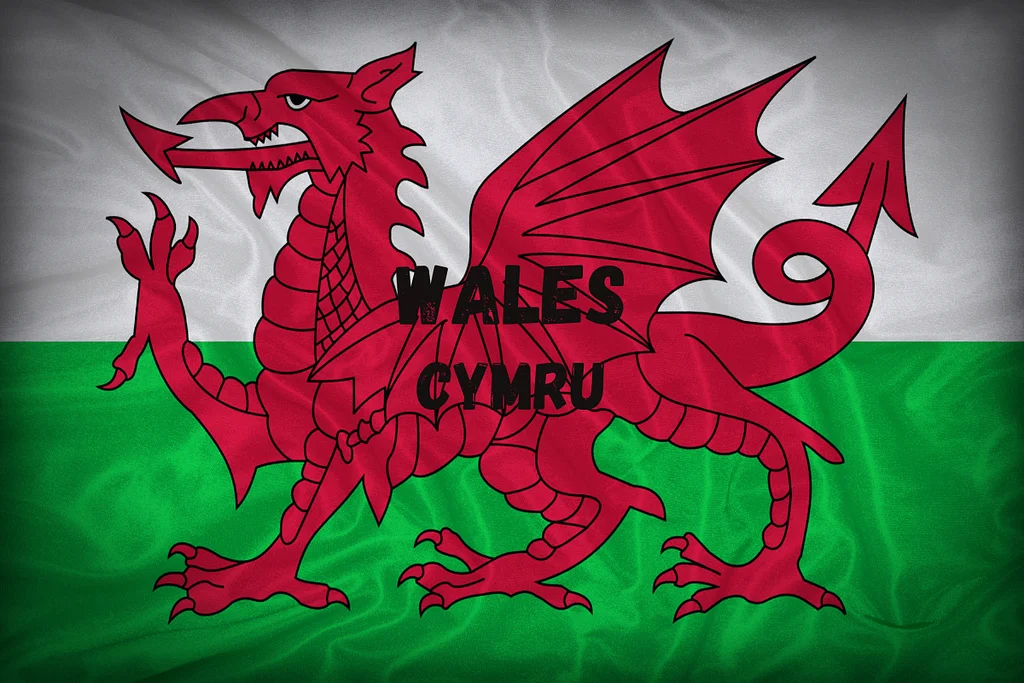
Wales
Wales is home to one of the oldest living Celtic languages, which is woven into its poetry, place-names, and national identity. Castles dominate the landscape, reminders of both resistance and resilience. Welsh ancestry often reveals strong ties to chapel records, rural communities, and ancient boundaries that predate modern maps.
Ancestral touchstones: Stone circles, chapel cemeteries, medieval castles, sacred hills.
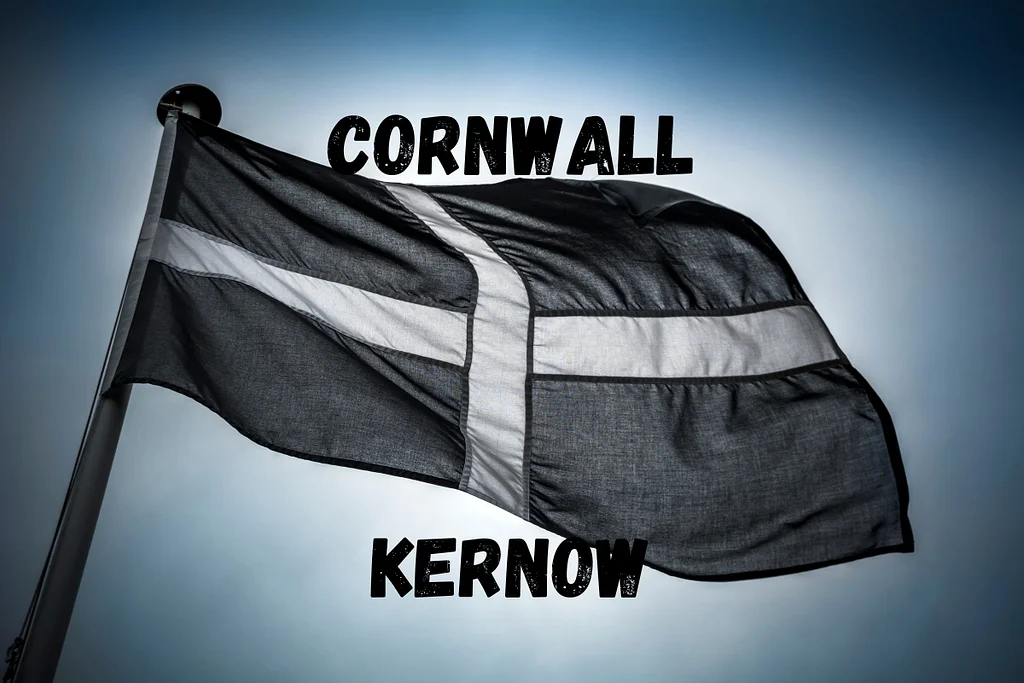
Cornwall
Cornwall’s Celtic identity is closely tied to the sea, mining heritage, and the Cornish language revival. Though small in size, Cornwall holds a powerful sense of place, with coastal paths, ancient crosses, and parish cemeteries that tell stories of endurance and migration. Cornish ancestors often appear again in the wider Celtic diaspora.
Ancestral touchstones: Coastal paths, mining landscapes, parish churches, wayside crosses.
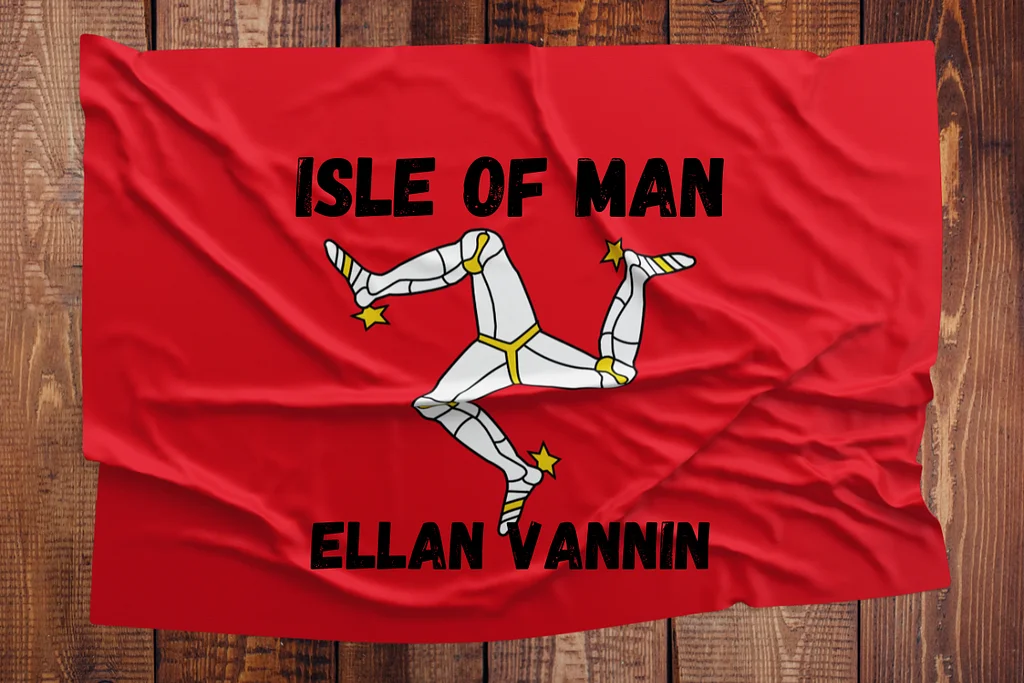
Isle of Man
The Isle of Man stands at the crossroads of Celtic and Norse worlds. Its unique political history, Manx language revival, and strong parish traditions make it a distinct yet deeply Celtic land. Family history here often connects closely to specific parishes, farms, and coastal communities.
Ancestral touchstones: Keeills (early chapels), parish burial grounds, coastal villages.